Stylish Interior Design Tips for Budget-Friendly Makeovers

Creating a beautiful and stylish home does not require a large budget. Many people believe that interior design is expensive, but with the right approach, you can achieve a stunning look without overspending. This post shares practical tips and ideas to help you transform your space affordably while maintaining a polished and cohesive style.

Plan Your Design Before You Start
Before buying anything, take time to plan your interior design. Knowing what you want helps avoid impulse purchases that add up quickly. Start by:
Defining your style: Browse magazines, websites, or apps like Pinterest to find styles you like. Whether it’s modern, rustic, or bohemian, having a clear style helps you focus your choices.
Setting a budget: Decide how much you want to spend overall and for each room or item. This keeps your spending in check.
Measuring your space: Accurate measurements prevent buying furniture that doesn’t fit or looks awkward.
Creating a mood board: Collect images, color swatches, and fabric samples to visualize your design.
Planning saves money by guiding your purchases and ensuring everything works well together.
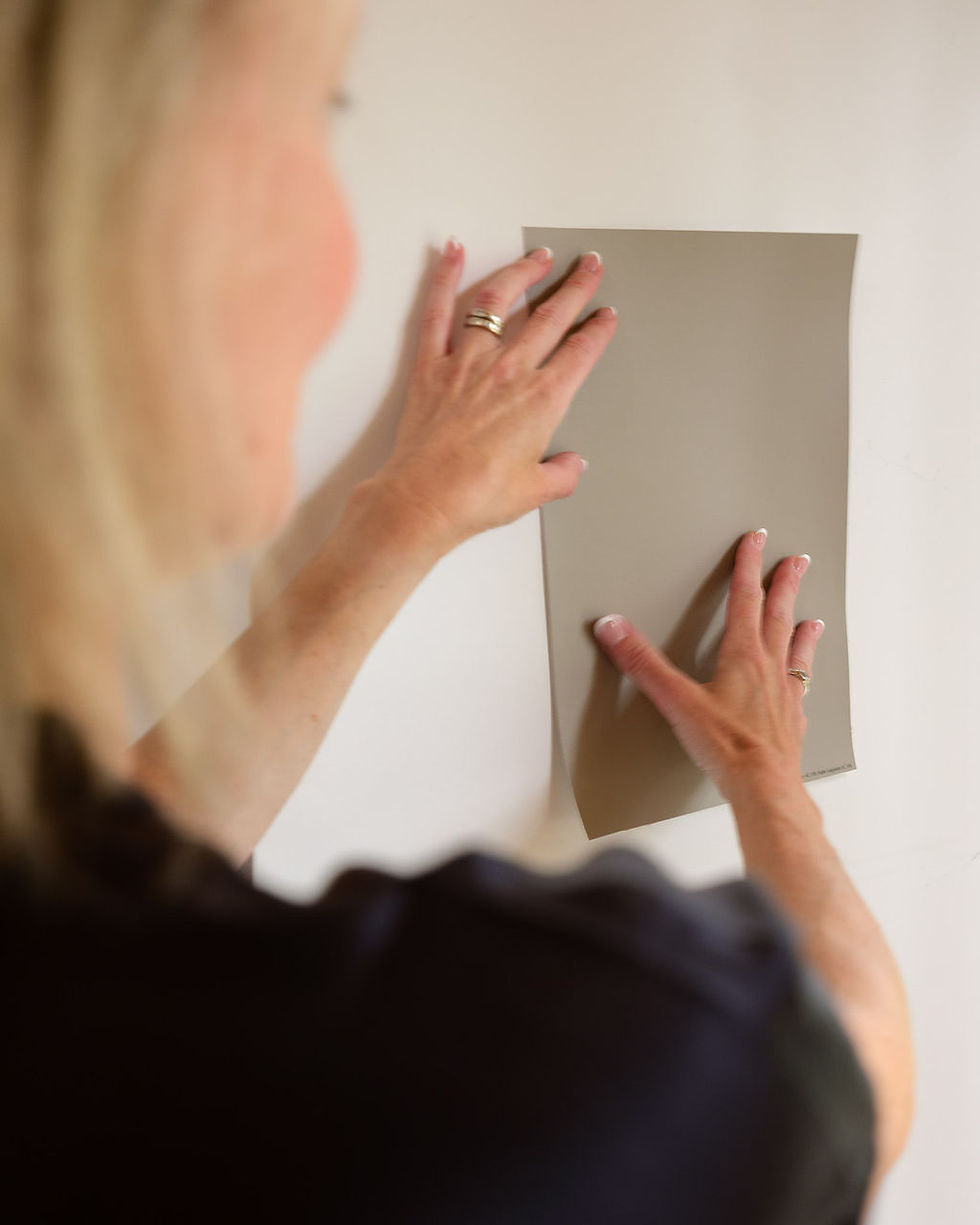
Use Paint to Transform Your Space
One of the most affordable ways to change a room’s look is with paint. A fresh coat can brighten a space, add personality, or create a focal wall. Consider these tips:
Choose neutral colors for walls to keep the room feeling open and versatile.
Use bold or dark colors on one wall to add drama without overwhelming the space.
Paint old furniture to give it a fresh, modern look.
Try paint techniques like stripes or stenciling for a custom touch.
Paint costs less than new furniture and instantly updates your home’s style.
Shop Smart for Furniture and Decor
Furniture often takes the biggest chunk of a design budget. To save money while still getting quality pieces:
Look for secondhand or vintage furniture at thrift stores, flea markets, or online marketplaces. Many pieces just need a little cleaning or refinishing.
Buy multi-functional furniture like storage ottomans or sofa beds to maximize space and value.
Choose simple, timeless designs that won’t go out of style quickly.
Mix high and low-cost items. For example, splurge on a comfortable sofa but save on side tables or lamps.
When shopping for decor, focus on a few statement pieces rather than cluttering the space. Items like throw pillows, rugs, and artwork can be affordable and make a big impact.
Use Textiles to Add Warmth and Style
Textiles are an easy way to add color, texture, and comfort without spending a lot. Consider:
Adding throw blankets and pillows in different fabrics and patterns.
Using area rugs to define spaces and add warmth.
Hanging curtains or drapes to soften windows and add style.
Changing bedding to refresh a bedroom’s look.
Textiles are easy to swap out and update as trends or your tastes change.
DIY Projects Can Save Money and Add Personality
Doing some projects yourself can reduce costs and make your home unique. Ideas include:
Creating your own wall art using inexpensive canvases and paint.
Building simple shelving units or refurbishing old furniture.
Sewing your own pillow covers or curtains.
Repurposing items like jars or crates for storage or decoration.
DIY projects take time but often cost much less than buying ready-made items.
Focus on Lighting to Enhance Ambiance
Good lighting changes how a room feels and looks. You don’t need expensive fixtures to improve lighting:
Use a mix of ambient, task, and accent lighting to create layers.
Replace harsh bulbs with warm LED bulbs for a cozy atmosphere.
Add floor lamps or table lamps to brighten dark corners.
Use string lights or candles for a soft, inviting glow.
Lighting can highlight your design choices and make your space feel welcoming.
Rearrange and Declutter to Refresh Your Space
Sometimes the best way to improve your home’s look is to use what you already have:
Rearrange furniture to create better flow and open up the room.
Declutter surfaces and storage areas to make the space feel larger and cleaner.
Group decor items in odd numbers for visual interest.
Remove or donate items that no longer fit your style.
A fresh layout and tidy space can make a big difference without spending a dime.
Incorporate Plants for Life and Color
Plants bring natural beauty and freshness to any room. They are affordable and improve air quality:
Choose low-maintenance plants like snake plants, pothos, or succulents.
Use decorative pots or baskets to match your style.
Group plants of different heights for a dynamic look.
Place plants near windows for natural light.
Adding greenery creates a lively, inviting environment.
Mix Patterns and Textures Carefully
Combining different patterns and textures adds depth and interest to your design. To do this on a budget:
Use patterned throw pillows or rugs to introduce prints.
Mix smooth and rough textures like velvet cushions with woven baskets.
Stick to a consistent color palette to keep the look cohesive.
Avoid overloading the space with too many patterns.
Balanced mixing makes your space feel thoughtfully designed.