How to Choose a Colour Palette That Lasts

Choosing the right colour palette can make or break a project. Whether you are designing a home interior, creating a brand identity, or planning an event, the colours you select will influence how people feel and interact with your space or product. But trends come and go, and what looks fresh today might feel outdated tomorrow. How do you pick colours that stand the test of time? This post will guide you through practical steps to create a colour palette that remains appealing and relevant for years.
Understand the Purpose and Context
Before selecting colours, clarify the purpose of your project. Ask yourself:
What mood or feeling do I want to evoke?
Who is the audience or user?
What environment will the colours appear in?
For example, a calming palette suits a bedroom or wellness brand, while energetic colours fit a sports event or youth-focused product. Knowing the context helps narrow down colour choices that support your goals without relying on fleeting trends.
Start with a Neutral Base
Timeless palettes often begin with neutral colours. Whites, greys, beiges, and soft browns create a stable foundation that works well with many accent colours. Neutrals balance bold hues and prevent the palette from feeling overwhelming.
For instance, a living room painted in warm beige with charcoal grey furniture and soft white accents will feel inviting and classic. You can then add pops of colour through cushions or artwork, which can be updated easily over time.
Choose Colours with Lasting Appeal
Some colours have proven longevity because they connect to nature or evoke universal emotions. Consider these options:
Blues: Often associated with calm, trust, and stability. Shades like navy or slate blue remain popular.
Greens: Linked to growth and balance. Olive, sage, and forest green are versatile and soothing.
Earth tones: Terracotta, rust, and mustard reflect natural materials and warmth.
Soft pastels: Muted pinks, blues, and lavenders can feel fresh without being trendy.
Avoid colours that are too bright or neon, as they tend to age quickly and may tire the eye.
Limit the Number of Colours
A timeless palette usually includes three to five colours. This keeps the design cohesive and easy to manage. Use one or two dominant colours, one or two secondary colours, and a neutral or two for balance. This approach prevents visual clutter and allows each colour to shine without competing.
Test Colours in Different Lighting
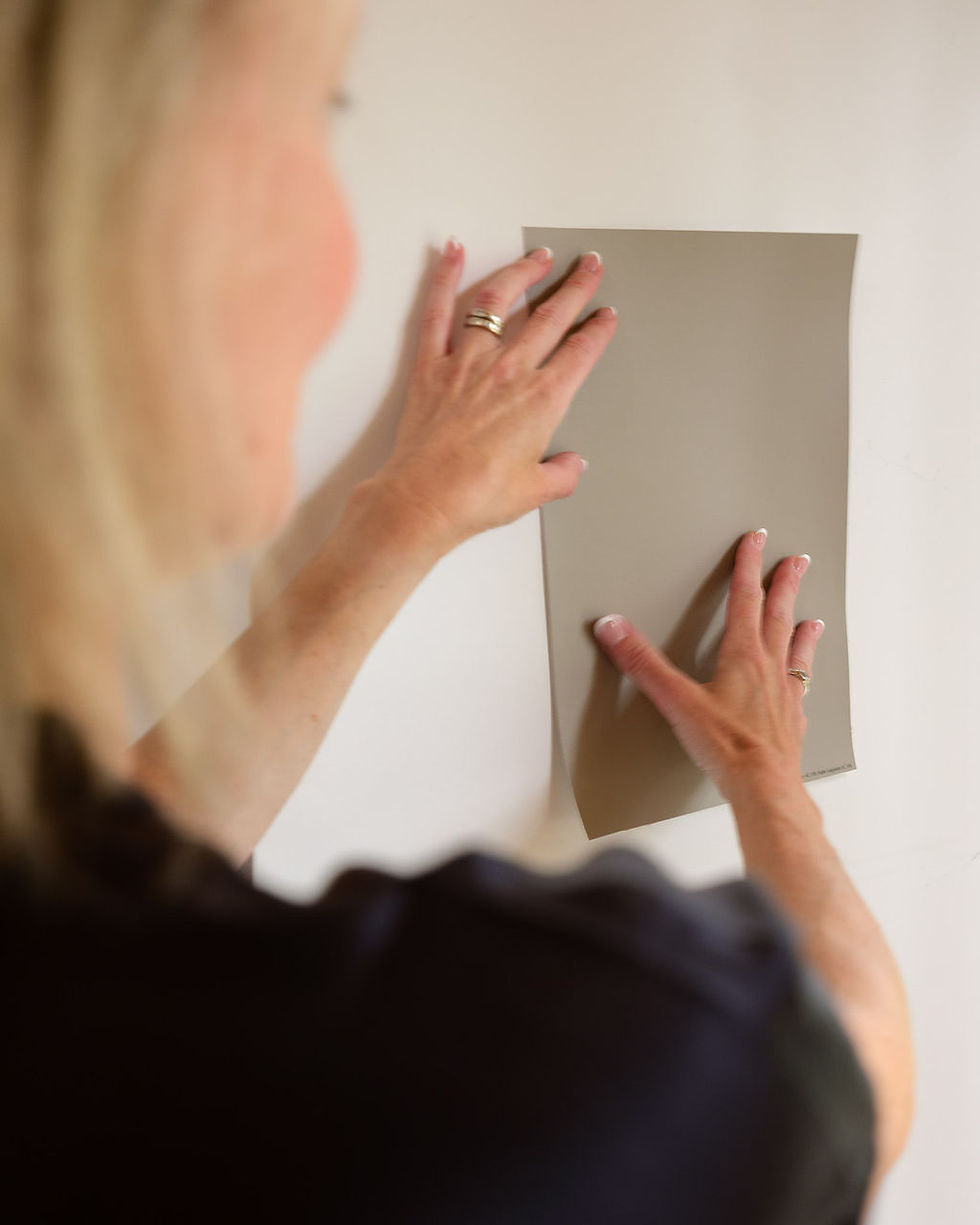
Colours can look very different depending on lighting conditions. Test your palette in natural daylight, artificial light, and shadows. This helps avoid surprises and ensures the colours work well throughout the day.
If you are working on a digital project, view colours on multiple screens to check consistency.
Use Colour Tools and Resources
Several tools can help you build and test colour palettes:
Adobe Color: Create palettes based on colour theory rules like complementary or analogous colours.
Coolors: Generate random palettes and adjust them easily.
Pantone Colour Finder: Explore classic and trending colours with official codes.
These resources provide inspiration and technical support to refine your choices.

Consider Cultural and Emotional Associations
Colours carry different meanings across cultures and contexts. For example, white symbolizes purity in some cultures but mourning in others. Red can represent luck or danger depending on the region.
Research your target audience’s cultural background to avoid unintended messages. Also, think about the emotions colours evoke and whether they align with your project’s purpose.
Plan for Flexibility and Updates
A timeless palette does not mean it must never change. Instead, design your palette with flexibility in mind. Use neutrals and classic colours as a base, then add seasonal or trend-inspired accents that can be swapped out easily.
For example, a website might use a stable blue and grey scheme but update button colours or banners with current trends. This keeps the design fresh without losing its core identity.
Examples of Timeless Colour Palettes
Classic Coastal
Soft white, navy blue, sandy beige, seafoam green
Works well for interiors, branding, and event themes inspired by the ocean.
Modern Earth
Warm terracotta, olive green, cream, charcoal grey
Ideal for natural, grounded designs with a contemporary edge.
Muted Elegance
Dusty rose, slate blue, soft grey, ivory
Suitable for weddings, fashion, and lifestyle projects aiming for subtle sophistication.
Avoid Common Mistakes
Choosing colours based solely on trends without considering longevity.
Using too many bright colours that compete for attention.
Ignoring how colours interact with lighting and materials.
Overlooking cultural meanings and emotional impact.
Taking time to plan and test your palette will save effort and expense later.